
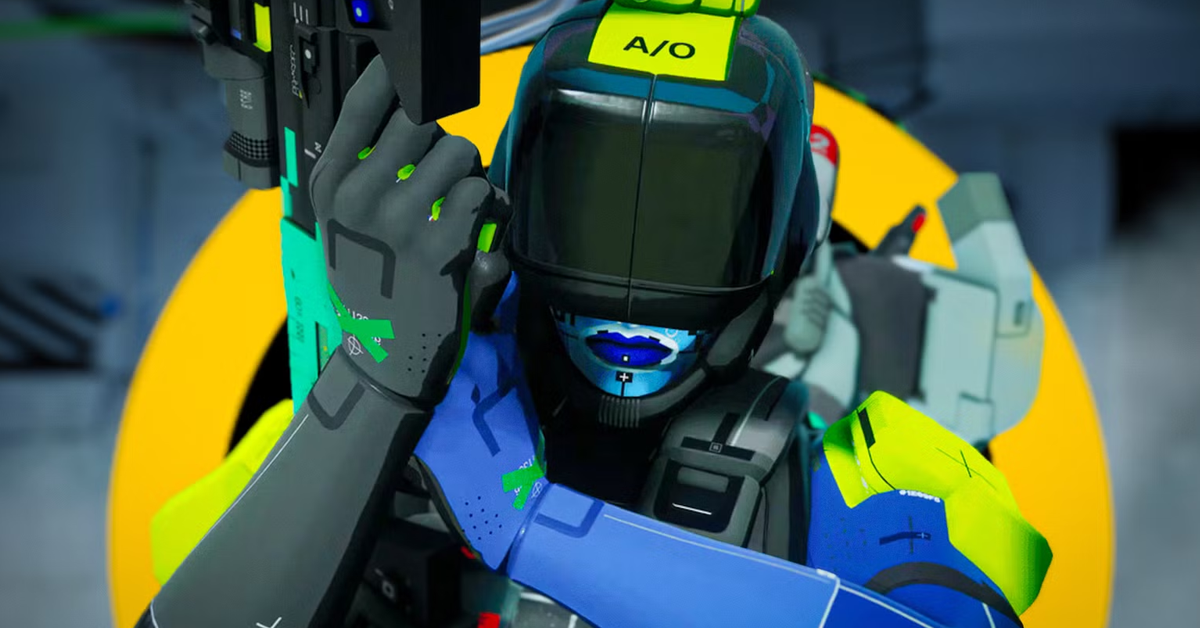
Marathon just released an update for Marathon that hints at bigger changes than just a new map. The main updates are clear: the Experimental queue is moving from Sponsored Dire Marsh to Sponsored Perimeter, and, more importantly, grey-tier sponsored kits are being retired for the rest of the season. Now, green-sponsored kits are free.
The details are simple. Sponsored Perimeter is the new experimental queue. To join, players need a free sponsored kit at green or enhanced tier. This mode only allows crew matching and pre-made crew queueing, with no solo fill. Bungie described the change as a thank-you to those who tested Sponsored Dire Marsh and as a planned next step based on player behavior and feedback.
Today, we’re going to dive into the details and community feedback.
What’s Actually Changing — and Why It Matters
At first glance, changing the map and improving kit quality by one tier might seem minor. In reality, it addresses one of Marathon’s biggest problems: how hard it is for players who are behind on gear to catch up.
Grey sponsored kits, which used to be the free standard, had no shield, very little healing, and weak weapons. This left players at a big disadvantage against anyone with more experience. For new or returning players, or those who lost their gear after a bad run, the grey kit felt less like help and more like a reminder of how far behind they were. Community member u/99LandlordProblems summed it up: the harsh free kits and slow gear progression probably cost the game thousands of players. They called it “a totally preventable own goal.”
Green kits make a real difference. With a green shield, players have 160 HP, which is still less than a purple kit’s 200, but it’s enough to survive a fight. The better base weapons also help, making it possible to actually compete.
The Community Verdict: Broadly Positive, Thoughtfully Critical
Most people on the Marathon subreddit were excited about the change, but many also thought carefully about what it means for the future. The top comments show a mix of reactions: some players had been asking for this update for weeks, some veterans quickly tested the new baseline, and a few raised real concerns about how a higher gear floor could affect the game’s economy.
The Majority Sentiment: This Is Overdue
The most popular comments were mostly positive, with many players saying green kits should have been the standard from the start. One of the top replies came just minutes after the announcement—a player who had already tried several runs and said the BR and Punch combo on a green kit was genuinely fun. This kind of quick, real feedback matters because it shows what the grey kit failed to do: give players a starting point where they could actually enjoy the gunplay.
Several experienced players pointed out that the gap between a grey kit and blue or purple gear wasn’t just about stats—it also affected how people felt. When players know most enemies are better equipped, they tend to avoid fights instead of engaging. This leads to fewer encounters, less action, and a map that feels emptier and harsher than necessary. The green kit doesn’t erase the gear gap, but it raises the baseline enough that fighting feels possible, not just risky.
u/99LandlordProblems summed up the issue well, earning hundreds of upvotes by clearly explaining the problems with the old free kit. The problem wasn’t just that grey kits were weak—it was that the whole system seemed designed to punish the very players the game needed to keep. Bad teammates using grey kits made skilled players less likely to risk their good gear. Players who lost everything had no real safety net. The free kit and crew fill system felt like a race to the bottom, and this change shows that Bungie has recognized that.
A Thoughtful Subset Pushed Further
Some of the most thoughtful comments didn’t just praise the change—they used it as a starting point to suggest what should come next. Many agreed that the sponsored kit shouldn’t stay the same all season, but instead should become its own seasonal progression system.
User rmhardcore explained this idea in detail, suggesting that free kits should improve step by step during the season. For example, a green shield could upgrade to enhanced, a base weapon could get a grey secondary, and an ammo box could eventually include a grenade. These changes wouldn’t be dramatic or break the game’s balance, but would help weaker players avoid falling too far behind as the season goes on. The main point is that the problem with grey kits isn’t just their basic stats—it’s how they compare to other players’ gear as the season progresses. A grey kit in week one is a small setback, but by week ten, when most players have blues and purples, it’s a huge disadvantage.
Several other commenters agreed and expanded on this idea, suggesting that a midseason upgrade is the best solution. Players could start with grey kits, move to green at a certain point, and maybe even reach blue near the end of the season. This would give players a late-season boost to help finish codex entries and faction quests before the wipe. For many, the current green kit change, coming at the end of the season, feels more like a test run for this kind of tiered progression than a permanent change.
The Capstone Angle
One of the more technical discussions in the community focused on the faction capstone system, especially how this change could affect the value of capstones.
Several players pointed out that the mid-tier capstone for most factions is already called “sponsored,” but it hasn’t really been used to its full potential. Right now, Rook capstones give good upgrades to Rook kit users, but sponsored kit users don’t get much from the capstone tree. The main suggestion was simple: let the sponsored capstone actually upgrade the sponsored kit for that faction. If green free kit access is tied to unlocking a capstone, then faction progression would offer a real reward for players who spend time on early-game content.
This solution works well because it solves two problems at once. It gives new and casual players a clear goal with a real reward, and it gives experienced players a reason to care about a part of the capstone system that usually feels less important.
The Sponsored Queue as a Distinct Player Ecosystem
Some thoughtful comments pointed out that the sponsored queue has created its own player ecosystem within Marathon, with its own preferences, priorities, and design needs.
Players who choose sponsored runs aren’t just beginners or those low on gear. Many experienced players pick the sponsored queue because it offers a more level playing field, a lower-stakes environment with extraction tension, and a place where skill matters more than gear. User Chpouky, a level 103 solo player with lots of gear, said they were having much more fun in sponsored queues than in standard runs. User TyranosaurusLex and their friends, who have played for hundreds of hours, also prefer sponsored because it gives them the feeling of a fresh start on every raid—something the main game doesn’t offer.
This is important because it challenges the idea that sponsored kits are just a way for weaker players to catch up. They’re also a competitive option for players who want a different experience with the gear system. Recognizing this difference should influence how Bungie designs the mode. If it’s just for beginners, it needs one approach. If it’s also for veterans, it needs another.
A Minority Dissent
Not everyone agreed, and although there were fewer dissenting voices, they raised points that deserve serious consideration.
The main concern is about the game’s economy. If green kits are now free, what purpose does white serve? If the sponsored baseline keeps rising, does it remove the motivation to loot and exfil? One player argued that at the green tier, kits are already cheap enough for most players, so making them free doesn’t solve a real access problem—it just removes a small inconvenience. The worry is that raising the free kit floor could make early and mid-tier gear feel pointless.
Another concern came from players who believe gear should still matter as a way to stand out. One commenter pointed out that the sponsored queue already narrows the gear gap a lot, and making the free kit as good as entry-level paid gear could make looting feel less important. Why risk your blue gear if the free kit works almost as well?
These concerns didn’t get much attention in the thread, mostly because most players saw the current problem—where a low gear floor drives away new players and makes crew fill frustrating—as more urgent than the risk of gear losing value. Still, it’s a good reminder that the gear economy is fragile, and every change can have effects that take time to show up.
The Emotional Temperature of the Thread
Aside from the analysis, it’s important to notice how the community reacted in ways that upvotes can’t capture. The thread was lively. Players joined in to share their first green kit raid experiences. There were jokes, memes, and even quotes from other media, just because people were happy.
That kind of energy matters. Marathon’s launch has been rocky, and the community hasn’t always been positive. A thread like this—messy, enthusiastic, and full of people debating design because they care—is a good sign. These players aren’t giving up on the game. They want it to improve, and this week they saw proof that the developers are listening. Bungie should keep working to earn that trust.
Sponsored Perimeter vs Sponsored Dire Marsh
The map switch also drew comment, and the community’s feelings here are more mixed. Dire Marsh had become genuinely beloved in the experimental queue — partly for its faction quest opportunities, partly because its event density (Anomaly, Lockdown, Scorch Warden, and Wraith Warden all potentially in play) made for chaotic, high-energy sessions. Several players were openly sad to see it rotate out.
Perimeter is a different beast. It’s widely regarded as the better beginner map — tighter, more legible, easier to navigate — but its event pool is thinner, with Wraith Warden and Interception as the primary objectives. One player flagged that without boosting the spawn rate of those events, Sponsored Perimeter could feel comparatively flat, with less to fight over and more sessions devolving into pure PvP without a focal point. That’s not necessarily bad — haulier fights were already a beloved part of the Perimeter experience — but it changes the rhythm of a run significantly.
On the other hand, several players argued that Perimeter’s simple layout is perfect for the sponsored format because it makes the game more accessible. Players who had trouble with Dire Marsh’s complex design might find Perimeter a better place to learn the basics of the game while using sponsored kits.
What This Signals for Season Two
Most of the community sees this update as Bungie testing ideas they plan to make official. The green kit change isn’t just a late-season bonus—it’s a way to gather data. Some players think Season 2 might introduce a formal tiered free kit system, starting at grey and upgrading at set points in the season. Others suggested that the sponsored queue could become a permanent mode with its own progression, separate from the main vault-based economy.
There’s also quite a bit of speculation that a sufficiently successful sponsored mode could serve as a free-to-play entry point. The logic goes: let players try the game on sponsored kits and a single map, accumulate loot, but gate full vault access and all maps behind a purchase. It’s a model that’s worked in other extraction games, and Marathon’s current setup — where the sponsored queue already acts as a kind of equalised onboarding space — lends itself naturally to that structure. Whether Bungie would go that route is unknown, but the community is clearly thinking about it.
The Bottom Line
This update is small in scope and large in implication. Raising the gear floor on sponsored kits addresses a complaint that has been sitting at the top of community feedback threads since launch. The map rotation keeps the experimental queue fresh. And the decision to retire grey kits entirely — rather than just offering green as an alternative — suggests Bungie isn’t hedging its bets. They’re committing to a direction.
The community’s reaction reflects a player base that is engaged, paying attention, and genuinely invested in where this game goes. The complaints aren’t rage — they’re design notes. And if this update is anything to go by, Bungie is reading them.