
Something interesting is happening in Marathon right now. Over the last few days, Joe Ziegler and the team at Bungie have pushed a set of changes that directly address some of the biggest problems players have been discussing all season.
I’m talking about pacing issues on Dire Marsh, one of the most controversial weapons in the game getting nerfed, and a wave of under-the-hood fixes that actually change how the game feels moment-to-moment.
In this video, I’m going to break down what’s changed, why it matters, and what this tells us about the future of the game heading into Season 2.
Dire Marsh Is Being Rebalanced
The first major change isn’t about weapons or loot — it’s about pacing. Specifically, the experience on Dire Marsh.
According to Joe Ziegler, Bungie has been tracking how matches play out across the season, and one consistent issue has emerged: the map can feel too crowded. Players are running into each other too early, fights are happening before runs have time to develop, and certain areas are becoming chaotic collision points rather than meaningful decision spaces.
So Bungie is testing a simple solution: reducing the number of crews in Sponsored Dire Marsh by 1.
Now, on paper, that sounds small. One fewer team. But in an extraction shooter, that kind of change can completely reshape the flow of a match. It creates more breathing room, delays early engagements, and gives players more time to actually execute a plan before being forced into combat.
This is especially important in a game like Marathon, where tension is supposed to build over time — not explode instantly in the first few minutes.
What Bungie is really doing here is experimenting with match density. And if this works, it could become a core design philosophy going forward — not just for Dire Marsh, but for how all zones are tuned.
WSTR Nerf
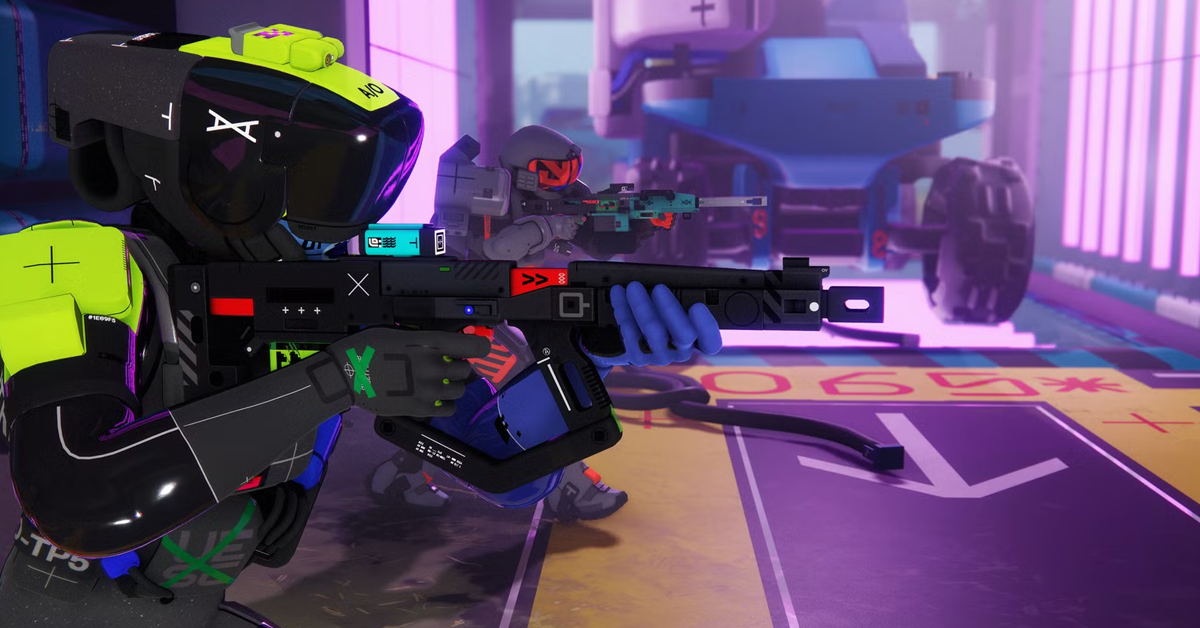
Next up, we need to talk about the WSTR — because if you’ve been playing Marathon, you already know how dominant this weapon has been.
The WSTR became one of the most reliable close-range weapons in the game, to the point where it started overshadowing almost every alternative. And when a single weapon becomes the default choice, it creates a stale meta fast. So Bungie has stepped in with a targeted nerf.
The key change is this: the WSTR can no longer down a player with blue shields — or higher — in just two shots at close range. That’s huge.
What this does is force a reload in most of those engagements, which introduces something the game desperately needed in these fights — counterplay. You now have a window to react, reposition, or fight back.
Importantly, the weapon isn’t being gutted. It can still two-shot green shield targets, meaning it remains viable — just not overwhelmingly dominant. This is exactly the kind of balance adjustment you want to see. It doesn’t remove the weapon from the meta — it just brings it back into alignment with everything else.
Slug Nerf
Alongside that broader WSTR adjustment, there’s also a more specific tuning change to the Combat Shotgun with the MIPS Slug Converter.
This mod had started to enable some extremely long-range kills — effectively pushing a close-range weapon into territory it was never meant to dominate. That kind of overlap breaks weapon identity and, over time, erodes the sandbox’s depth. So Bungie has reduced the long-range effectiveness of these slug shots, bringing them back in line with the overall damage model.
This might not sound flashy, but it’s actually one of the most important changes in the patch. Because it reinforces a core principle: weapons should have clear roles. When everything can do everything, the game loses its structure.
Economy Changes
One of the quieter updates in 1.0.6.1 focuses on the item economy — and this is where Bungie is clearly trying to smooth out friction in the player experience.
Daily stock limits for Sponsored Kits have been increased, which gives players more flexibility in how they approach runs. At the same time, stack sizes for key consumables like Patch Kits and Shield Charges have been doubled, and standard kits now come with more resources by default.
Taken together, these changes do something very specific: they reduce the punishment for engaging with the game. You’re less likely to run dry, less likely to feel constrained by scarcity, and more able to stay active in the loop of playing, fighting, and extracting.
This is Bungie lowering the barrier, without removing the stakes.
Quality of Life Fixes
There’s also a wave of fixes in this update that might seem small individually, but collectively improve the experience in meaningful ways.
For example, the fix to toggle zoom prevents players from getting stuck in awkward states where they can’t use medical items. That’s the kind of issue that can lose you fights.
The improvements to radial menu accuracy address a surprisingly common frustration: accidentally throwing the wrong item in high-pressure situations. Anyone who’s tossed a grenade at their own feet instead of deploying a bubble shield knows exactly how important this is.
There are also fixes to weapon behaviour, UI clarity, and even exploits — like the Cryo Archive issue where players could refund gear after a run.
Bungie is focusing on three key areas:
First, pacing. The Dire Marsh change shows they’re actively trying to control how matches unfold, not just what happens within them.
Second, balance. The WSTR adjustments and slug nerfs show a willingness to act quickly when something becomes dominant.
And third, accessibility and flow. The economy changes, and quality-of-life fixes aim to make the game smoother and less frustrating to play.
These are the kinds of changes you make when you’re preparing for something bigger — like Season 2.
So while this might look like a small patch on the surface, it’s actually doing a lot of heavy lifting behind the scenes. The real question now is whether these changes go far enough — especially when it comes to pacing and weapon balance.
So I want to hear from you — have you noticed the difference on Dire Marsh? And is the WSTR still too strong, or does this fix hit the mark?