
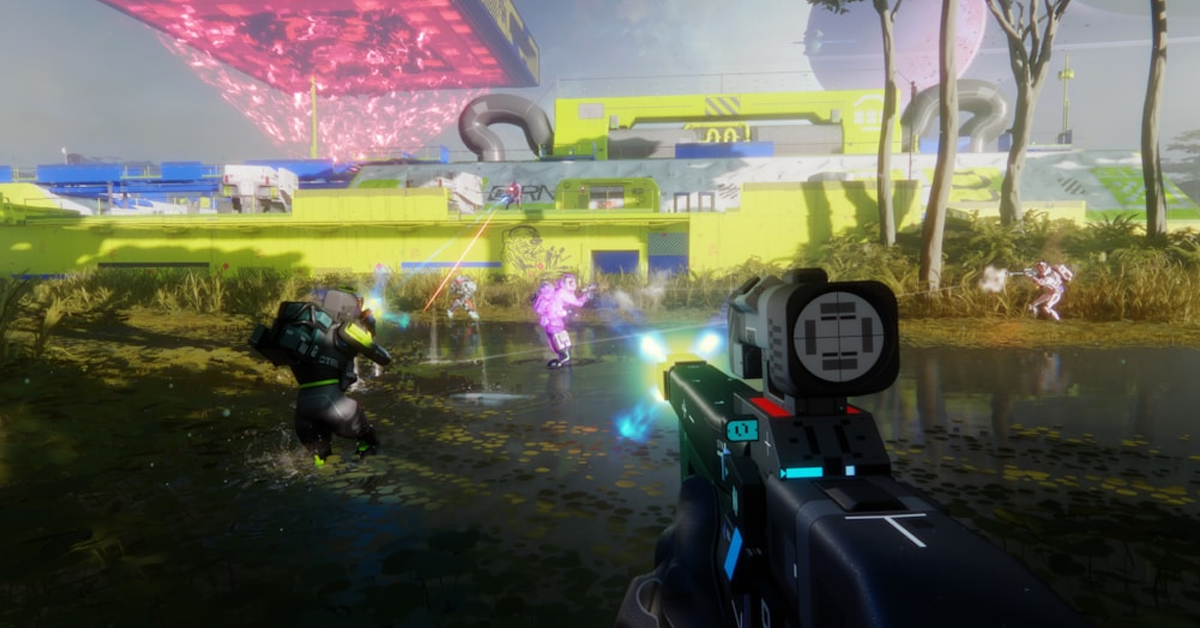
Marathon has sold about 1.2 million copies, with nearly 70% from Steam. Analysts agree—these numbers fall short of Sony and Bungie’s expectations. On paper, 1.2 million copies might seem decent, but for a AAA live service game backed by Sony and developed by Bungie, expectations are higher. This game was supposed to launch with significant momentum and quickly establish itself, but that hasn’t happened yet. Today, I’m going to take a closer look at the reported sales numbers, plus we have more news related to Duos and endgame scheduling.
Because of those early numbers, the tone around Marathon is shifting. What started as cautious optimism is now turning into concern, with more players questioning whether the game can sustain itself in the long term. You can feel that shift across the community, where the conversation is becoming more critical and less forgiving.
In today’s gaming landscape, perception plays a huge role. A slower start can create a chain reaction that is difficult to reverse. Fewer active players can lead to longer matchmaking times, which, in turn, discourage engagement. Less buzz around the game means fewer new players are willing to jump in. Before long, the focus shifts from growth to simply maintaining what is already there.
Personally, I am having a lot of fun with Marathon. I don’t get to play every day, so I’m still running through priority contracts, finding new runners to team up with and generally having a lot of fun. This is the most I’ve been engaged with a new game for a long time. I am here for the long haul, given the gameplay, lore, and it’s got its hooks into me.
Bungie Is Already Making Changes
Despite that shift in narrative, Bungie is not standing still. On the contrary, they are already making meaningful adjustments based on player feedback, and that is a crucial detail that shouldn’t be overlooked. One of the biggest recent changes focuses on endgame scheduling, which had been a point of frustration for players.
Previously, Ranked mode and Cryo Archive overlapped, forcing a choice between the two. Bungie fixed this by assigning them separate weekly windows—Cryo Archive from Thursday to Sunday, Ranked from Sunday to Thursday. Now, players can fully engage in both. This change shows something worth noting. Bungie studies feedback and player behaviour, responding to how the game is actually being played.
The Duos Experiment Shows The Game Is Still Evolving
Amid these updates, Bungie is still experimenting. The Duos queue, tested on Perimeter, now moves to Dire Marsh to collect more data. This is part of an ongoing effort to understand how duos affect combat flow, extraction rates, and overall player experience. Bungie is actively observing how players interact with the mode while also monitoring technical performance and community feedback.
This shows that Marathon is still in active development. The systems are not locked in place. They are being tested, adjusted, and refined in real time. That is exactly what you would expect from a live service game in its early stages.
We have seen many live service games struggle at launch, only to recover later through consistent updates and improvements. The initial number does not determine the game’s future. What matters is what happens next. Right now, we are seeing a developer who is actively responding, making changes, and continuing to invest in the experience. That is a positive sign. But whether that momentum continues is not entirely in Bungie’s control.
Sony plays a critical role in what happens next. They did not acquire Bungie for a single release. They brought them in for their expertise in building and maintaining live service games. Expectations are clear. If Sony views Marathon as underperforming, support could scale back, which poses real danger. Live service games depend on consistent updates, ongoing investment, and long-term commitment. Without support, even strong foundations crumble. If Sony stands behind Bungie and allows Marathon to evolve, this phase becomes a necessary step in a longer journey.
Marathon retains a solid foundation. The core extraction loop is engaging, creating tension and high-risk decisions. PvP encounters are meaningful. Systems like Ranked mode and faction progression provide necessary structure and long-term goals. Endgame content like Cryo Archive shows Bungie is planning beyond launch. The issues players are raising — performance, clarity, and audio balance — are valid and fixable. And importantly, Bungie has already shown a willingness to address them.
The fact that nearly 70% of sales are coming from Steam highlights where much of the pressure is coming from. The PC audience tends to have higher expectations, particularly regarding performance and competitive integrity. The PC audience is vocal, rapidly shaping the game’s narrative through fast-spreading feedback. This shift in conversation stems directly from their influence. This also reveals an opportunity. Room for growth on console, especially in Sony’s ecosystem, remains significant. If Bungie engages that audience effectively, Marathon will expand its reach.
The biggest threat to Marathon is not the gameplay or even the current player numbers. It takes time for patiLive service games to evolve: to refine systems, optimise performance, and create meaningful content. The current adjustments—scheduling changes, gameplay experiments, and ongoing tweaks—are part of this natural process.s like.
The challenge is that, in today’s market, patience is in short supply. Games are often judged quickly, and expectations for immediate success are higher than ever. Whether Marathon is given the time it needs will ultimately determine its future.
The 1.2 million copies sold are not the end of the story. It is the point where everything can go in one of two directions. On one side, Marathon continues to evolve, supported by Bungie and backed by Sony, growing into the experience it is clearly trying to become.
On the other hand, momentum slows, support fades, and the concerns we are seeing today begin to define the game in the long term.
The difference between the two outcomes is the level of support. That decision is being made now.